
Quick Answer: How Do You Stop Thumb Sucking in Children?
Thumb sucking is best stopped using a combination of positive reinforcement, gentle reminders, and consistent behavioral routines. Most children respond well to encouragement rather than punishment.
The most effective steps include:
- Using reward charts or positive reinforcement
- Providing gentle reminders (secret word or signal)
- Identifying emotional or sleep-related triggers
- Replacing comfort habits with calming routines
- Using physical reminders like gloves or thumb guards if needed
If the habit continues beyond age 5–6 or begins affecting tooth or jaw development, an orthodontic evaluation is recommended around age 7.
Boss Orthodontics helps families address thumb sucking habits early to support healthy jaw growth and proper bite development.
How to Stop Thumb Sucking in Children (Behavioral Techniques & Orthodontic Guidance)
Thumb sucking is a common childhood habit that often resolves naturally. However, when it continues beyond early childhood, it can affect dental development, bite alignment, and jaw growth.
This guide from Boss Orthodontics explains proven behavioral techniques to stop thumb sucking in children, along with orthodontic guidance when needed.
Why Do Children Suck Their Thumb?
Thumb sucking is typically a self-soothing behavior. Common reasons include:
- Comfort and emotional regulation
- Sleep association
- Anxiety or stress relief
- Boredom or habit formation
Understanding the trigger is the first step in helping your child stop the habit.
How to Stop Thumb Sucking (Proven Behavioral Techniques)
1. Positive Reinforcement and Reward Systems
Positive reinforcement is one of the most effective ways to stop thumb sucking.
- Sticker charts
- Daily or weekly rewards
- Thumb-free bedtime goals
- Celebrating progress
Tip: Focus on effort, not perfection.
2. Gentle Reminder Systems
Many children suck their thumb without realizing it. Gentle reminders help build awareness.
- Secret words like “thumb check”
- Hand signals
- Quiet verbal reminders
Always keep reminders calm and supportive.
3. Talk Openly About the Habit
Involving your child improves success rates.
- When thumb sucking happens
- What triggers it
- Goals they want to achieve
Avoid punishment, teasing, or comparison.
4. Break Habit Associations
Thumb sucking is often linked to comfort objects such as blankets or stuffed animals.
- Limit use during the day
- Replace with calming routines
- Use alternatives like reading or fidget toys
5. Physical Reminder Tools (When Needed)
Some children benefit from gentle physical reminders:
- Cotton gloves
- Thumb guards
- Soft wrist wraps
- Long sleeve pajamas
These should always be supportive, not punitive.
How to Stop Thumb Sucking at Night
Nighttime is often the most difficult time to break the habit. Helpful strategies include:
- Consistent bedtime routine
- Calming pre-sleep activities
- Comfort replacement objects
- Morning praise for success
A calm bedtime environment improves success rates.
When Should You See an Orthodontist?
Orthodontic evaluation is often recommended around age 7, especially if thumb sucking continues or dental changes appear.
Possible effects include:
- Narrow upper jaw
- Open bite
- Crossbite
- Tooth alignment changes
- Speech or chewing issues
Early evaluation helps guide healthy jaw development.
Orthodontic Treatment Options for Thumb Sucking
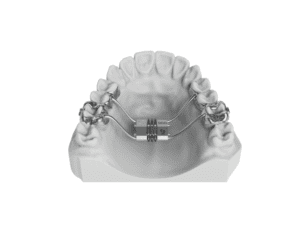
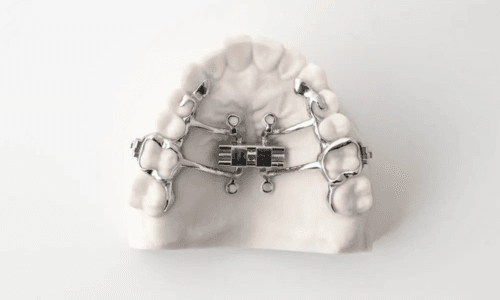
If behavioral methods are not enough, orthodontic habit appliances may be recommended.
- Reduce thumb sucking comfort
- Support jaw development
- Help break persistent habits
Success is highest when the child is motivated to stop the habit.
Frequently Asked Questions (FAQ)
At what age should a child stop thumb sucking?
Most children stop between ages 2–4. If it continues beyond age 5–6, intervention may be helpful.
Does thumb sucking permanently affect teeth?
If prolonged, it can affect bite alignment and jaw growth, especially after permanent teeth begin erupting.
What is the fastest way to stop thumb sucking?
The most effective approach is positive reinforcement combined with awareness training and consistent routines.
Do orthodontic appliances really help?
Yes, in some cases. They reduce the comfort of thumb sucking, but long-term success depends on behavior change as well.
Final Thoughts from Boss Orthodontics
Breaking a thumb sucking habit takes patience, consistency, and encouragement. Most children respond best to positive reinforcement and gentle guidance.
If you are concerned about your child’s dental development or persistent thumb sucking, Boss Orthodontics can evaluate growth and provide personalized treatment options.
Other Blog Posts You Might Like

Ready to Smile with Confidence?
Click to schedule a Free Consultation. We can’t wait to meet you!